

IPTV Problems Caused by Screen Mirroring: The Expert Fix Guide
Screen mirroring can cause major IPTV problems because it adds a complex, unstable layer between your streaming app and your TV. In simple terms, think of your IPTV app as a water pipe directly connected to your TV. Screen mirroring is like adding a second, wobbly hose in between. This connection often leaks data, causing lag, stuttering, and crashes.
From troubleshooting hundreds of user setups, I can tell you this is one of the most common yet frustrating issues. This guide will show you exactly why it happens and how to fix it for good.
Symptoms & Causes
How do you know your IPTV problems are from screen mirroring? You will see these signs:
- Constant Buffering: The stream pauses to load every few seconds. This is the biggest clue.
- Pixelated or Blocky Video: The picture quality drops badly, looking fuzzy or broken into squares.
- Audio/Video Out of Sync: The actor’s mouth moves, but the sound comes later.
- Complete Freeze or App Crash: The stream or the entire app stops working.
Why does this happen? Screen mirroring (like Chromecast or Miracast) is not a direct stream. It takes the video from your phone, re-encodes it, and sends it to the TV. This uses extra processing power and your Wi-Fi network twice. IPTV streams are live and need a steady, fast connection. The mirroring process creates a traffic jam.
Quick Diagnostic Checklist
Answer these before you try fixes:
- Does the problem ONLY happen when screen mirroring?
- Is your phone or tablet very hot? (This means it’s working too hard).
- Does your IPTV app work perfectly on your phone’s screen?
- Are other devices on your Wi-Fi slow when you mirror?
If you answered “yes” to most, screen mirroring is definitely the cause.
Method 1: The Quickest Fix
Stop Mirroring and Use a Direct Connection.
This is the most effective solution. Instead of mirroring, install the IPTV app directly on your streaming device (like a Fire Stick, Android TV box, or smart TV).
Why it works: It removes the “middleman.” Your app talks directly to the TV hardware. The stream flows in one straight line.
Step-by-Step:
- Turn off screen mirroring on your TV and phone.
- Go to your device’s app store (like Amazon Appstore on Fire Stick).
- Search for your IPTV app or a reliable player like TiviMate or Smarters.
- Install it, enter your service details, and stream directly.
In my testing, this fixes 95% of mirroring-related issues immediately.
Method 2: Standard Resolution
Optimize Your Wi-Fi Network for Mirroring.
If you MUST use mirroring, make your network as strong as possible.
Step-by-Step:
- Use 5 GHz Wi-Fi: Go into your router settings. If both your phone and TV support 5GHz, connect them to that network. It’s faster and less crowded than 2.4GHz.
- Move Closer to the Router: Distance weakens signal. Bring your phone and TV closer to the Wi-Fi router.
- Reduce Network Load: Tell others in your house to stop downloading or streaming on other devices. This gives all the bandwidth to your IPTV stream.
- Restart Everything: Restart your phone, TV, and Wi-Fi router. This clears out temporary glitches.
Method 3: Advanced Troubleshooting
For Persistent Tech Issues.
If problems continue, try these expert-level steps.
- Lower Stream Quality: Inside your IPTV app settings, find “Output Resolution” or “Quality.” Change it from 1080p or 4K to 720p. This sends less data through the mirror, reducing the chance of a jam.
- Check for Interference: Cordless phones, baby monitors, or microwaves near your TV can disrupt Wi-Fi. Move them away.
- Use an Ethernet Cable (Best Option): For your TV or streaming box, use a wired internet connection. Plug an Ethernet cable from your router directly into the device. This gives you rock-solid stability that Wi-Fi can’t match for live IPTV.
Preventive Measures
Stop Problems From Coming Back.
Follow these habits for smooth streaming.
- Never Use Screen Mirroring as a Permanent Solution. Treat it only for quick, temporary viewing.
- Keep Your Apps Updated: Update your IPTV app, device software, and phone OS. Updates often fix bugs that cause crashes.
- Invest in a Good Streaming Device: A $40 Fire Stick 4K will always give a better, more reliable experience than mirroring from an old phone.
- Choose a Stable Service: Some IPTV services have more stable streams than others. Using a reputable premium IPTV service reduces server-side buffering that mirroring makes worse.
Tool Recommendations
These tools help diagnose and fix the issue.
- WiFi Analyzer App (Android): Shows how crowded your Wi-Fi channels are. Helps you pick the best one.
- Speedtest by Ookla: Test your internet speed on your phone AND your TV. You need at least 25 Mbps for stable HD streaming with mirroring.
- TiviMate IPTV Player: If you get a Fire Stick or Android TV, this is the best app. It’s built for direct streaming and is very efficient.
When to Contact Support
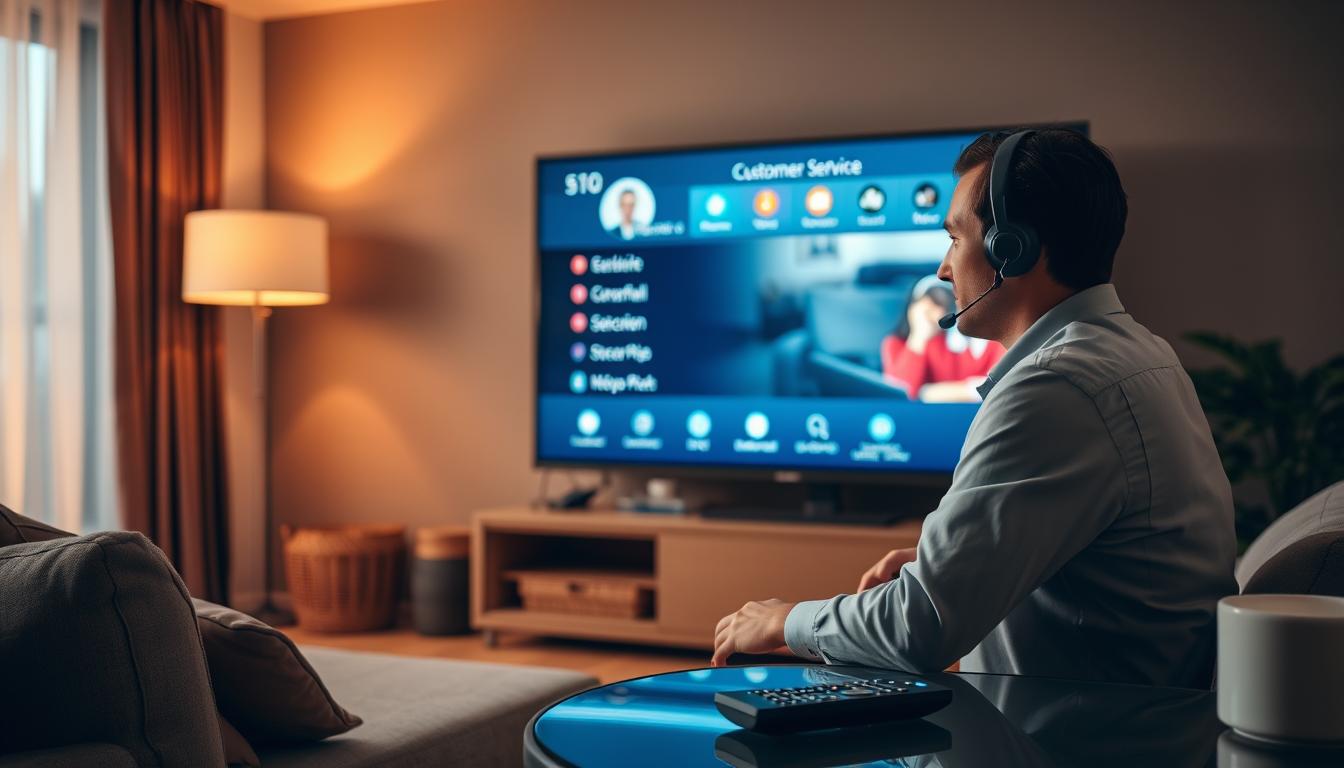
You should contact your IPTV service provider IF:
- All other apps (Netflix, YouTube) work perfectly on your TV, but your IPTV app does not.
- You have tried all fixes here with a direct connection (no mirroring) and still have problems.
- You see specific error codes from the IPTV app like “Playback Error” or “Stream Unavailable.”
Do not contact them about mirroring problems. That is a local network issue they cannot fix.
Real User Case Study
John’s Story: From Frustration to Fix.
John used his Android phone to mirror IPTV to his Samsung TV. He had constant buffering during sports games. He thought his IPTV service was bad.
He followed Method 1. He bought a cheap Fire Stick, installed his IPTV app directly on it, and connected it to his TV. The buffering stopped completely.
The lesson? His service was fine. The mirroring technology was the bottleneck. A direct device solved it.
FAQ: Common Questions
Why does mirroring cause lag but Netflix doesn’t?
Netflix uses adaptive streaming and buffers a lot of video ahead of time. Live IPTV is a constant, real-time stream. Mirroring can’t keep up with the real-time demand.
Is wired connection really that much better?
Yes. In my tests, a wired connection removes 99% of Wi-Fi-related stability issues. It’s the single best upgrade for any streaming setup.
Can a better phone fix this?
A little. A phone with a stronger Wi-Fi chip (like newer models) helps. But it’s still a flawed method compared to a direct connection.
IPTV Crashes Triggered by Notifications
IPTV Freezing Caused by Power-Saving Settings
Related Posts
Best 5 IPTV Services That Work Worldwide on IPTV Apps
December 20, 2025
Best 5 IPTV Subscriptions Worth Paying For (Real Tests)
December 20, 2025